
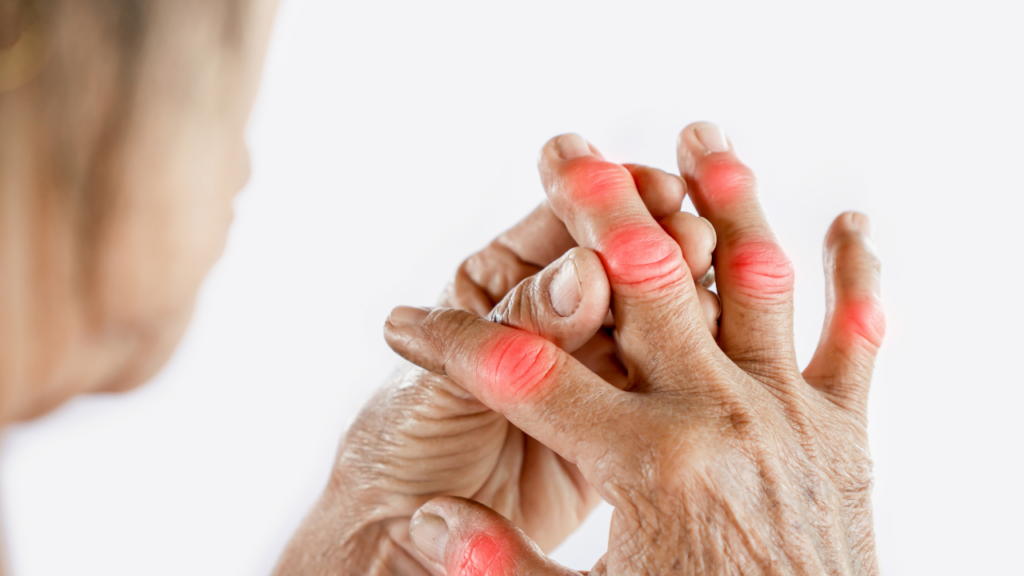
Everyday tasks we rarely think about — buttoning a shirt, opening a jar, holding a pen, gripping a steering wheel — all depend on the small, hardworking joints of the hands and fingers. So when arthritis settles into those joints, the impact on daily life can feel out of proportion to their size. The good news is that gentle, targeted movement is one of the most effective and accessible ways to fight back. The short answer: regular hand and finger exercises can help reduce arthritis pain by improving flexibility, building strength, easing stiffness, and keeping the joints mobile — and most can be done at home in just a few minutes a day.
Movement might feel counterintuitive when your hands hurt, but staying still often makes arthritis stiffness worse. The key is doing the right exercises, gently and consistently, without pushing into sharp pain. Over time, these simple movements can improve your grip, restore range of motion, and make those frustrating daily tasks feel manageable again.
At Texas Pain Physicians, our board-certified specialists help patients manage arthritis hand pain with personalized plans that often combine at-home exercises with professional care, across our locations throughout Texas. In this guide, we’ll explain how these exercises help, walk you through seven simple hand and finger movements you can try, and share when it’s time to seek expert support. For a broader overview of your options, you can explore our arthritis treatment page.
Why Do Hand Exercises Help With Arthritis?
Before jumping into the movements, it’s worth understanding why exercise works — because knowing the “why” makes it much easier to stay consistent.
The benefits of gentle movement
Regular, low-impact hand exercises support your joints in several important ways:
- Improved flexibility: gentle stretching helps keep joints from stiffening up
- Increased strength: stronger surrounding muscles better support and protect the joints
- Better range of motion: consistent movement helps maintain how far your joints can bend and extend
- Reduced stiffness: activity encourages circulation and keeps the joints from locking up
- Easier daily tasks: a stronger, more mobile hand makes gripping and pinching more comfortable
These benefits are exactly why arthritis are frequently recommended as part of a well-rounded treatment plan.
A few ground rules before you start
To get the most benefit and avoid aggravating your joints, keep these guidelines in mind:
- Warm up first — a warm towel or soaking your hands in warm water loosens stiff joints
- Move slowly and gently, never forcing a movement
- Stop if you feel sharp or increasing pain (mild effort is fine, sharp pain is not)
- Aim for consistency over intensity — a few minutes most days beats an occasional hard session
- Breathe normally and stay relaxed throughout
If you’re unsure whether these exercises are right for your specific condition, it’s always best to check with a specialist first.
What Are the 7 Best Hand and Finger Exercises for Arthritis?
These seven hand exercises for arthritis are simple, require little or no equipment, and can be done almost anywhere. Start slowly, and gradually build up as your comfort allows.
1. Gentle fist
This warm-up movement helps improve overall range of motion.
- Hold your hand out with fingers straight
- Slowly curl your fingers into a soft fist, thumb resting on the outside
- Don’t squeeze hard — keep it gentle
- Open your hand back to straight fingers
- Repeat 5 to 10 times on each hand
2. Finger bends
This targets each finger joint individually to fight stiffness.
- Hold your hand up, fingers straight
- Bend one finger down toward your palm, then straighten it
- Move through each finger one at a time
- Repeat the sequence a few times per hand
3. Thumb bend and stretch
The thumb does a lot of work, so keeping it mobile matters.
- With your hand open, bend your thumb across your palm toward the base of your small finger
- Hold gently for a moment, then return to the starting position
- Repeat 5 to 10 times
4. Finger lifts
This builds mobility and control in each finger.
- Place your hand flat on a table, palm down
- Gently lift one finger at a time off the surface
- Hold briefly, then lower it back down
- Work through all fingers and the thumb
5. Make an “O”
A great stretch for easing stiffness and improving pinch coordination.
- Start with your hand open and fingers straight
- Curve your fingers and thumb inward until they form an “O” shape
- Hold for a few seconds
- Straighten your fingers again and repeat several times
6. Wrist stretch
Hand comfort often depends on the wrist, so don’t skip it.
- Extend one arm out with the palm facing down
- Use your other hand to gently press the hand downward until you feel a light stretch
- Hold for a few seconds, then switch to pressing gently upward
- Repeat on both wrists
7. Gentle grip strengthener
Once flexibility improves, light strengthening supports the joints.
- Hold a soft foam ball or a rolled-up sock in your palm
- Gently squeeze, hold for a couple of seconds, then release
- Keep the squeeze light and comfortable
- Repeat 10 to 15 times, then switch hands
If any of these movements cause more than mild discomfort, ease off and consider guidance from a professional. A specialist can adjust the routine to suit your arthritis hand pain and stage of arthritis.
When Should You See a Specialist for Hand Arthritis?
Exercises are a valuable tool, but they work best as part of a bigger picture — and sometimes they aren’t enough on their own.
Signs it’s time to get professional help
Consider reaching out to a specialist if you notice any of the following:
- Hand or finger pain that persists despite regular gentle exercise
- Swelling, warmth, or redness in the joints
- Noticeable weakness or difficulty gripping objects
- Stiffness that significantly limits your daily activities
- Pain that disrupts your sleep or steadily worsens
These signs suggest it’s worth having your hands evaluated rather than pushing through on your own.
How professional care complements your exercises
A specialist can build a comprehensive plan that pairs your at-home routine with proven medical options. Depending on your needs,pain management treatment may include:
- Guided physical therapy to make sure you’re moving safely and effectively
- Interventional procedures such as targeted joint injections for stubborn pain
- Regenerative medicine options that support the body’s natural healing
Combining daily movement with expert care often delivers far better, longer-lasting results than either approach alone.
Get Personalized Help for Your Hand Pain
Simple exercises are a wonderful start, but you don’t have to manage arthritis alone. The team at Texas Pain Physicians offers expert arthritis treatment in Texas, combining at-home strategies with advanced, personalized care. With convenient locations across the state, relief is closer than you think. Book an appointment today and take the first step toward more comfortable, capable hands.
Final Thoughts
Arthritis in the hands and fingers can make everyday life frustrating, but you have more power over your comfort than you might realize. Gentle, consistent exercise — like the seven movements in this guide — can improve flexibility, build strength, and ease the stiffness that makes daily tasks difficult. The trick is to move regularly, stay gentle, and listen to your body along the way.
Exercises work best when they’re part of a complete plan. If hand pain lingers, worsens, or comes with swelling and weakness, it’s time to bring in professional support. With the right combination of daily movement and expert care from a trusted joint pain doctor in Texas, you can keep your hands working for the things that matter most.
Frequently Asked Questions
How often should I do hand exercises for arthritis? For most people, doing gentle hand exercises once or twice a day is beneficial. Consistency matters more than intensity — a few minutes most days is more helpful than an occasional longer session. Always work within a comfortable range.
Can hand exercises make arthritis worse? When done gently and correctly, exercises usually help rather than harm. However, pushing into sharp pain or overdoing high-intensity movements can aggravate joints. Stop if you feel increasing pain and check with a specialist if you’re unsure.
Should I exercise my hands during an arthritis flare-up? During an active flare, it’s often best to rest and use gentle range-of-motion movements only, avoiding strengthening exercises until the flare settles. Warmth can help. If flares are frequent or severe, a specialist can guide you.
Do hand exercises help both osteoarthritis and rheumatoid arthritis? Yes, gentle movement can benefit both types by maintaining mobility and reducing stiffness. However, the ideal routine may differ, and rheumatoid arthritis in particular should be managed alongside medical care due to its inflammatory nature.
What’s the best time of day to do these exercises? Many people find their hands are stiffest in the morning, so gentle exercises after warming the hands can help loosen them for the day. That said, any consistent time that fits your routine works well.
Do I need special equipment for hand arthritis exercises? No. Most hand and finger exercises require no equipment at all. A soft foam ball or rolled-up sock is helpful for gentle grip strengthening, but that’s optional and inexpensive.
How long before I notice results from hand exercises? It varies from person to person, but many people notice improved flexibility and reduced stiffness within a few weeks of consistent practice. Building strength typically takes a bit longer. Patience and regularity are key.
Can warm water help before hand exercises? Yes. Soaking your hands in warm water or applying a warm towel before exercising helps loosen stiff joints and makes movement more comfortable. It’s one of the simplest ways to prepare for your routine.
When should I stop exercising and see a doctor? Stop and seek evaluation if you experience sharp or worsening pain, significant swelling, warmth, redness, or weakness that interferes with daily tasks. These may signal that your arthritis needs professional treatment.
Does Texas Pain Physicians treat hand and finger arthritis? Yes. Our board-certified team diagnoses and treats arthritis affecting the hands and fingers, combining guided exercises with options like physical therapy, interventional procedures, and regenerative medicine, with locations throughout Texas.
Medical Disclaimer: This blog is for informational and educational purposes only and does not constitute medical advice.


